
by the Rev. Aaron Rogers
As Missioner for Black Ministries in the Episcopal Diocese of Southern Ohio, I give thanks for the sacred journey that has led us to this moment. The recent decision to allocate $500,000 to our four historically Black congregations is not an isolated act of generosity; it is the fruit of decades of prayer, witness, repentance, and hope. Importantly, this historic investment is taking place under the episcopal leadership of Bishop Kristin Uffelman White, whose commitment to reparative justice and pastoral listening has helped guide us to this faithful way forward. This invitation toward a better future invites us to pause and take a moment to look back.
Our story stands on the pillars of courageous leadership throughout our diocesan story. Pillars like Bishop Roger Blanchard, who helped shape a diocesan vision attentive to racial justice adjacent to the nation’s broader struggle for civil rights. In a time when silence would have been easier, he called the Church to moral clarity—reminding us that the Gospel compels us to stand with those whose dignity is denied. His leadership planted seeds that continue to bear fruit in our journey towards wholeness.
Building on that foundation, Bishop Herbert Thompson Jr. established the Minority Empowerment Investment Trust to support education endeavors in minority communities and supported capacity building in our historically Black congregations. These were more than financial commitments; they were theological statements. They signaled that our diocese understood stewardship not merely as maintenance, but as a part of our Gospel mission—an investment in communities too often under-resourced because of systemic inequities from our willful participation in systemic racism and sinful negligence.
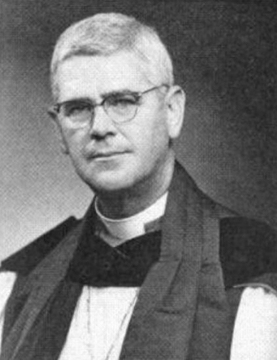

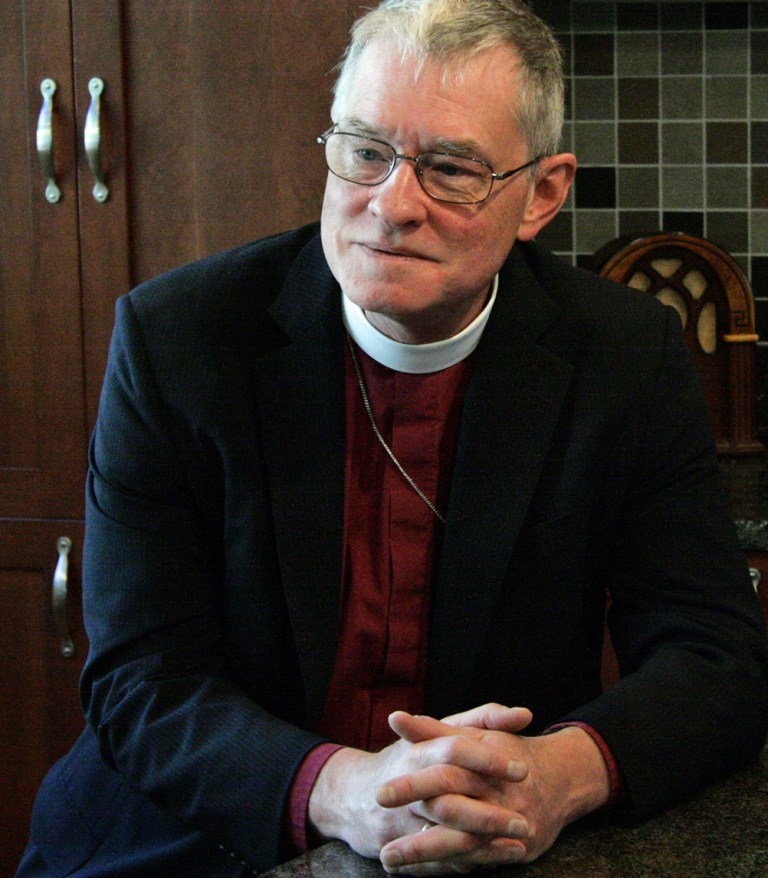
Bishops of Southern Ohio who laid groundwork for today’s efforts in Reparative Justice.
In more recent years, our commitment has taken structural form. The hiring of a missioner for Black Ministries and a missioner for Latino Ministries marked an important acknowledgment: a culturally responsive ministry requires dedicated leadership, listening, and advocacy. These roles embody our desire not simply to diversify programs, but to deepen relationships and ensure that communities historically pushed to the margins are centered in our common life.
We also give thanks for the advocacy of the Union of Black Episcopalians, whose clergy and lay leaders have faithfully called the Church toward justice, accountability, and celebration of Black Anglican witness. Their persistent voice has helped keep before us the spiritual truth that reconciliation demands repair. Our diocese continues to be a committed and unwavering partner to our local chapter.
Most recently, the Reparations Task Force—now the Commission on Reparative Justice—has engaged in honest and prayerful discernment. In conversation with the Rev. Dr. Petter Jarrett-Schell, the Task Force examined how diocesan systems and historical patterns contributed to inequities between Black and white congregations and communities. This work required courage: to look closely at funding decisions, property histories, and institutional priorities shaped within a segregated society. In doing so, we began to better understand our role as a diocese in solidifying disparities we are now called to help mend.
For those who would like to understand more deeply historical research, and diocesan discernment that helped make this decision possible, I encourage you to read the Rev. Karl Stevens’ article, “The Work of Reparation in the Episcopal Diocese of Southern Ohio.” His thoughtful work offers important context for this moment and invites all of us into continued learning and engagement.
The $500,000 allocation is a tangible expression of that truth-telling. It honors the faithful witness of St. Margaret’s in Dayton, St. Simon of Cyrene in Lincoln Heights, St. Andrew’s in the Evanston neighborhood of Cincinnati, and St. Philip in Columbus. For generations, these congregations have proclaimed the Gospel with resilience and joy, often with fewer financial resources than their predominantly white counterparts. Their perseverance is itself a testimony to God’s sustaining grace.
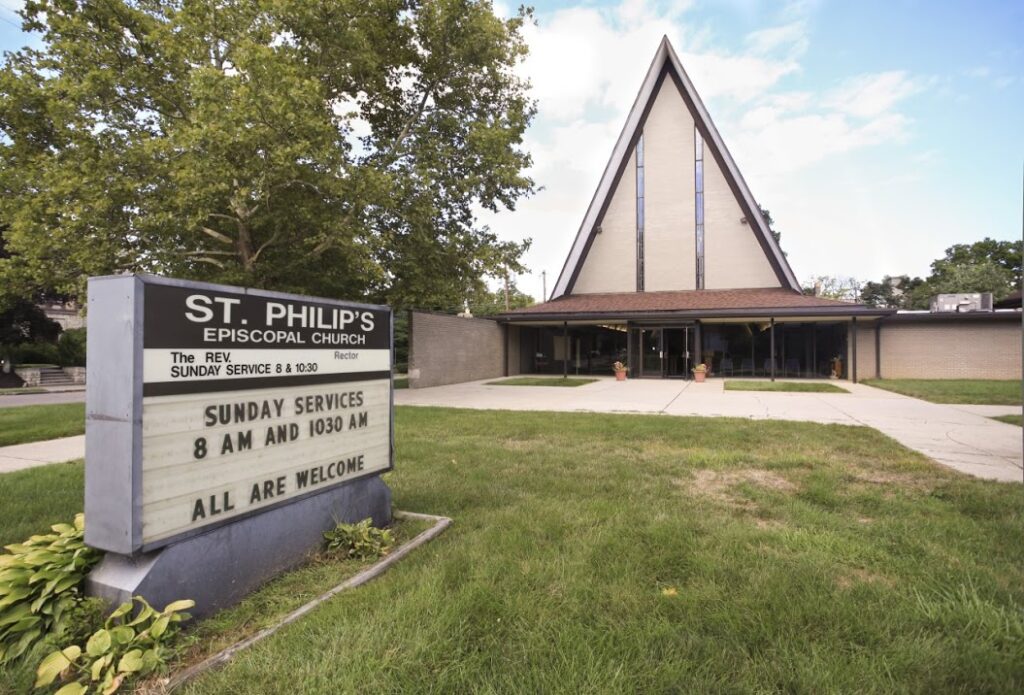
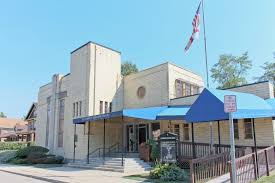
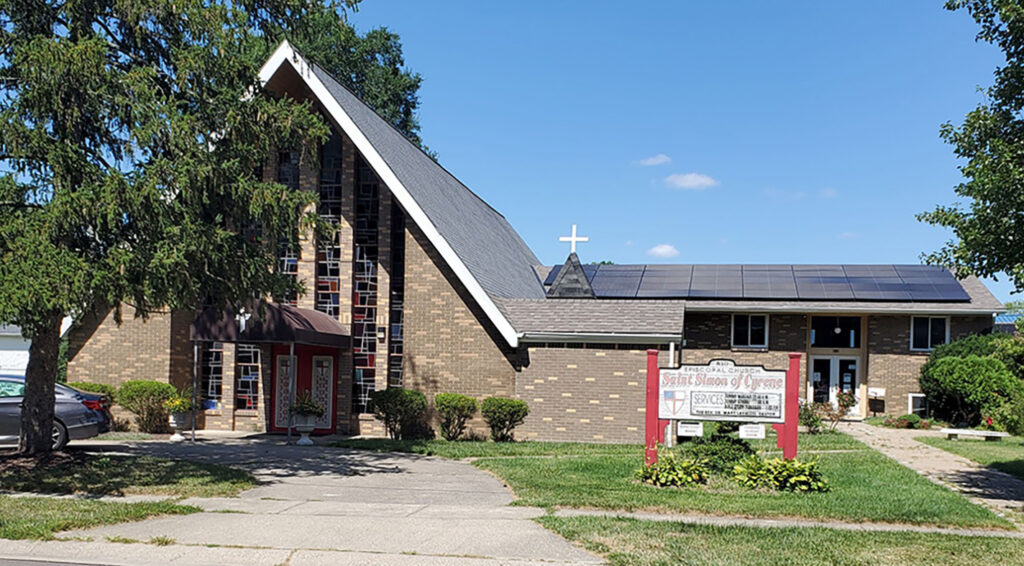
Looking ahead, these funds are intended to support long-term capacity building and endowment growth. This may include strengthening financial foundations, investing in leadership development, enhancing community outreach, addressing property needs, and building sustainable endowments that will serve future generations. Rather than a short-term infusion, this allocation is meant to create stability, possibility, and freedom for mission—ensuring that these congregations are resourced not merely to survive, but to thrive. This initial investment helps us make a more focused intentional stride in the long journey for healing and repair.
This moment is pastoral before it is financial. It invites healing. It calls us into deeper relationship. And it reminds us that reparative work is not about charity, but about covenant. Under the leadership of Bishop Kristin Uffelman White, and grounded in the faithful witness of those who came before, may the Episcopal Diocese of Southern Ohio continue to grow into a more just and beloved community—reflecting ever more fully the reconciling love of Christ
The Rev. Aaron Rogers is missioner for Black ministries for the Diocese of Southern Ohio, a role he’s held since June 2025.
